Lemon Balm
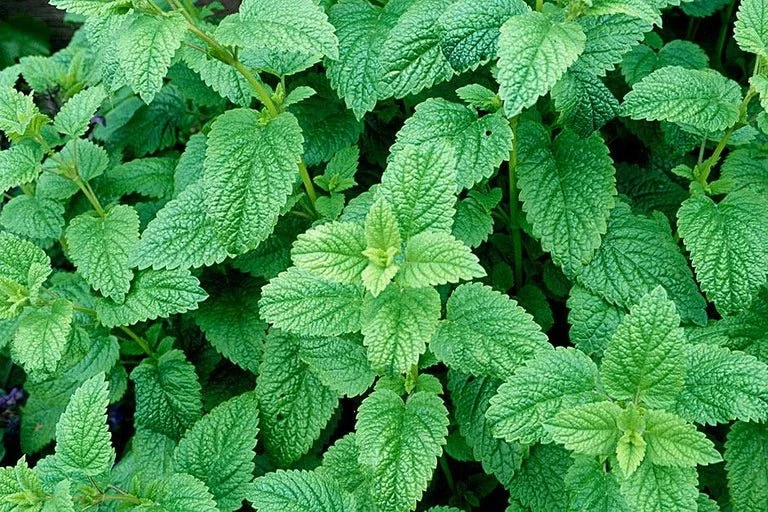
Lemon Balm (Melissa officinalis) — Planting Information
Overview
Common name: Lemon Balm
Botanical name: Melissa officinalis
Type: Perennial herb (hardy in USDA zones 4–9)
Mature size: 1–2 feet tall, 1–2 feet wide
Growth habit: Upright, mounded; can spread by rhizomes and self-seeding
Site and Soil
Light: Prefers full sun to part shade. In hot climates, afternoon shade helps prevent leaf scorching and prolongs fragrance.
Soil: Well-draining, moderately fertile soil. Tolerates a range of soils from sandy to loamy; avoid heavy, waterlogged clay.
pH: Neutral to slightly alkaline (6.0–7.5 is fine).
Spacing and Layout
Space plants 12–18 inches apart to allow air circulation and reduce disease risk.
Consider containers or confined beds to control spreading; lemon balm can naturalize and become invasive in garden beds.
Planting Steps
Prepare site by loosening soil to 8–12 inches and amend with compost if soil is poor.
Dig a hole slightly wider and same depth as the root ball.
Place plant so top of roots sits level with surrounding soil.
Backfill, firm soil gently, and water thoroughly.
Mulch 1–2 inches around base to conserve moisture and suppress weeds, keeping mulch a few inches from stems.
Watering
Keep evenly moist during establishment (first 2–4 weeks).
Once established, lemon balm is moderately drought tolerant but performs best with regular watering—about 1 inch per week in absence of rain.
Avoid prolonged wet feet; soggy soil promotes root rot.
Fertilizing
Light feeder: incorporate compost at planting. No heavy fertilization required.
If growth is weak or foliage pale, apply a balanced, all-purpose fertilizer in spring.
Maintenance
Pruning: Pinch back tips regularly to encourage bushier growth and delay flowering. Cut back by one-third after first flush of blooms to encourage a second flush.
Harvesting: Begin harvesting leaves once plant reaches 6–8 inches. Best flavor before flowering; harvest in the morning after dew dries.
Divide clumps every 2–3 years in spring or fall to rejuvenate plants and control spread.
Deadhead flowers if you want to limit self-seeding and maintain leaf production. Allow some flowers if you want to support pollinators.
Pests and Diseases
Pests: Generally pest-resistant. Occasional aphids, spider mites, or whiteflies—treat with insecticidal soap or strong water spray.
Diseases: Susceptible to powdery mildew in humid, overcrowded conditions; ensure good air circulation and avoid overhead watering. Root rot can occur in poorly drained soils.
Companion Planting
Good near brassicas (cabbage family) and fruit trees; attracts pollinators and beneficial insects.
Avoid pairing with plants that require very dry conditions.
Propagation
By seed: Sow indoors 6–8 weeks before last frost or direct sow after frost risk passes. Lightly cover seeds; germination 1–3 weeks at 65–70°F.
By division: Divide established clumps in spring or fall.
By stem cuttings: Take 3–4 inch cuttings, root in water or moist potting mix.
Storage
Fresh leaves: store in fridge for a few days wrapped in damp paper towel.
Drying: Hang small bunches in a dry, dark, well-ventilated place; store dried leaves in an airtight container away from light.
Hardiness and Overwintering
Mulch in late fall in colder climates to protect roots.
In pots, move indoors or to a sheltered spot to avoid severe freeze-thaw cycles.
Lemon balm (Melissa officinalis) is a perennial herb in the mint family long used in traditional and herbal medicine. Its primary constituents include volatile oils (citral, citronellal, geraniol), tannins, flavonoids, and rosmarinic acid. These compounds contribute to lemon balm’s calming, antiviral, antispasmodic, and antioxidant effects.
Uses within Herbalism:
Anxiety and mild insomnia
Lemon balm is frequently used to reduce nervousness, restlessness, and mild anxiety.
Stress and mood support
The herb can help reduce stress-related symptoms such as irritability and poor concentration. Some clinical trials report improvements in mood, cognition, and stress response after short-term use of lemon balm preparations.
Digestive complaints
Lemon balm has been used to relieve functional gastrointestinal disorders: bloating, gas, indigestion, and cramping. Its antispasmodic and carminative properties may ease visceral discomfort and improve digestion, often when paired with other carminative herbs like peppermint.
Antioxidant and anti-inflammatory effects
Constituents such as rosmarinic acid provide antioxidant and mild anti-inflammatory activity, which may contribute to overall health benefits and symptomatic relief in inflammatory conditions.
Lemon balm (Melissa officinalis) is a gentle, aromatic herb used topically for a range of skin and cosmetic benefits. Its properties make it suitable for sensitive skin and for formulations intended to calm, protect, and subtly brighten the complexion.
Topical Benefits
Antioxidant protection: Rich in polyphenols (rosmarinic acid, caffeic acid, flavonoids), lemon balm helps neutralize free radicals that contribute to premature aging and dullness. This reduces oxidative stress on skin cells and supports a healthier-looking complexion.
Soothing and anti‑inflammatory: Lemon balm exhibits anti‑inflammatory activity that can calm redness, irritation, and mild inflammatory breakouts. It’s often included in creams and serums for sensitive or reactive skin.
Antimicrobial and antiviral effects: The herb has demonstrated antimicrobial and antiviral properties that can help control surface bacteria and some viral agents, supporting skin hygiene.
Astringent and toning: Mild astringent qualities can help refine the appearance of pores and reduce excess oil, contributing to a smoother skin texture.
Skin brightening and evening tone: Lemon balm can contribute to skin brightening through several mechanisms:
Inhibition of tyrosinase activity: Components such as rosmarinic acid may reduce tyrosinase, the enzyme involved in melanin production, which helps prevent new pigment formation and supports a more even tone.
Antioxidant reduction of oxidative pigment formation: By limiting oxidative damage, lemon balm can reduce the development of post‑inflammatory hyperpigmentation and a dull, uneven appearance.
Gentle exfoliation support in formulations: When combined with mild exfoliants (AHAs, enzymes) or delivery systems, lemon balm’s clarifying and astringent actions help remove dead cells and reveal brighter skin.
Hydration support and barrier care: When formulated with humectants and emollients, lemon balm extracts can contribute to skin comfort and barrier restoration thanks to their calming and antioxidant activities.
Forms and typical dosing
Tea: 1–2 teaspoons of dried leaves per cup, steeped 5–10 minutes; 2–3 cups daily for general calming or digestive use.
Tincture: commonly 1:5 in 40% alcohol; typical dose ranges 1–4 mL (20–80 drops) 2–3 times daily depending on product concentration.
Extracts/capsules: follow manufacturer dosing; standardized extracts commonly provide 300–600 mg daily for anxiety or sleep support.
Practical tips
Use fresh or dried lemon balm leaves as a soothing tea after meals for mild digestive discomfort or during times of stress.
Use face serums and/or creams infused with lemon balm for an even tone & healthier-looking complexion.
Lemon Balm is featured in our:
Radiant Skin Collection to brighten, even skin tone, target dark spots & hyperpigmenation
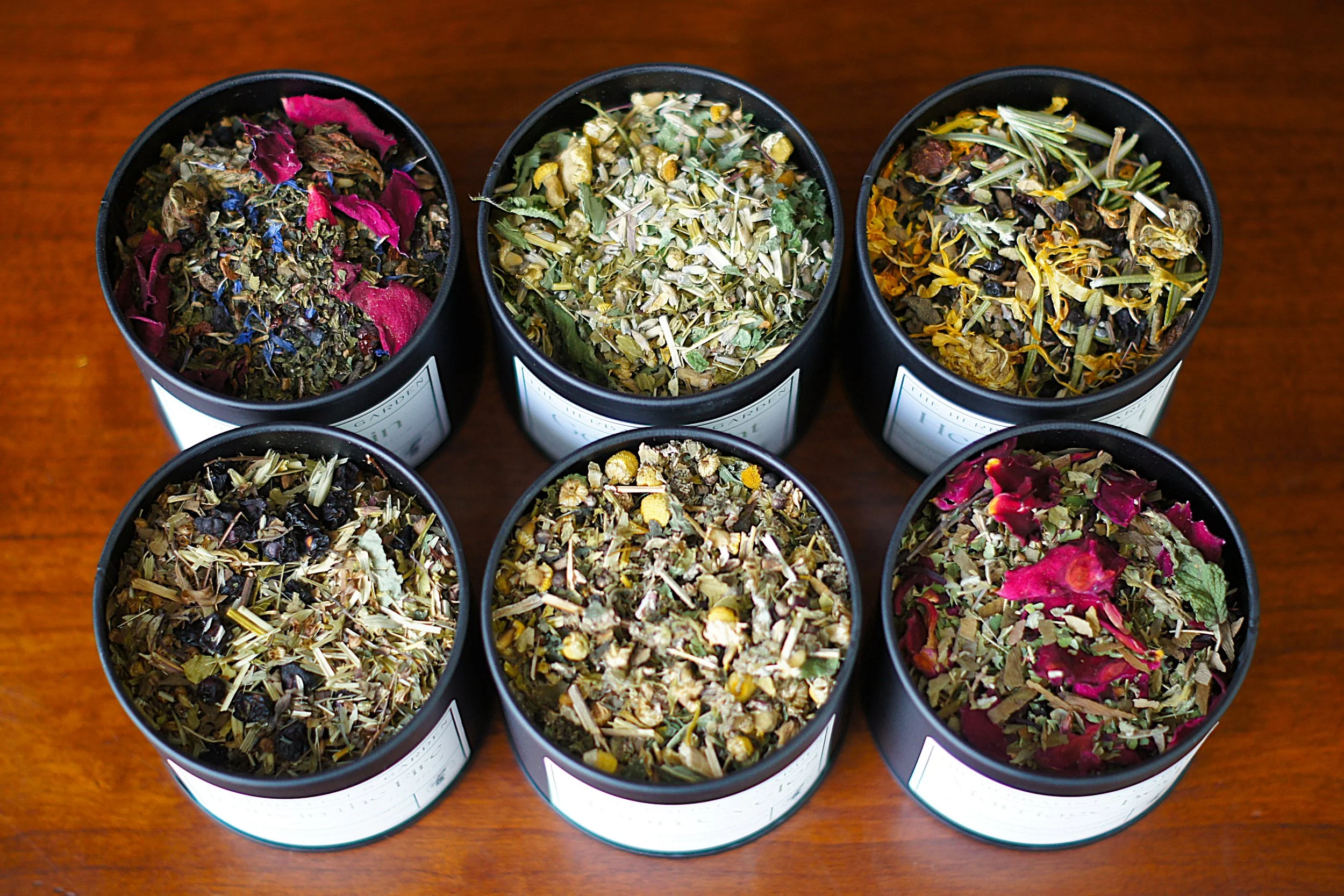
Goodnight Tea Blend for Sleep Support
Irons in the Fire Tea Blend for Stress Relief
Full Bloom Tea Blend for Mood Support
Sharp as a Tack Tea Blend for Mental Clarity
New Mama Tea Blend for Post-Partum Support
Bellyache Tea Blend for Digestive Support
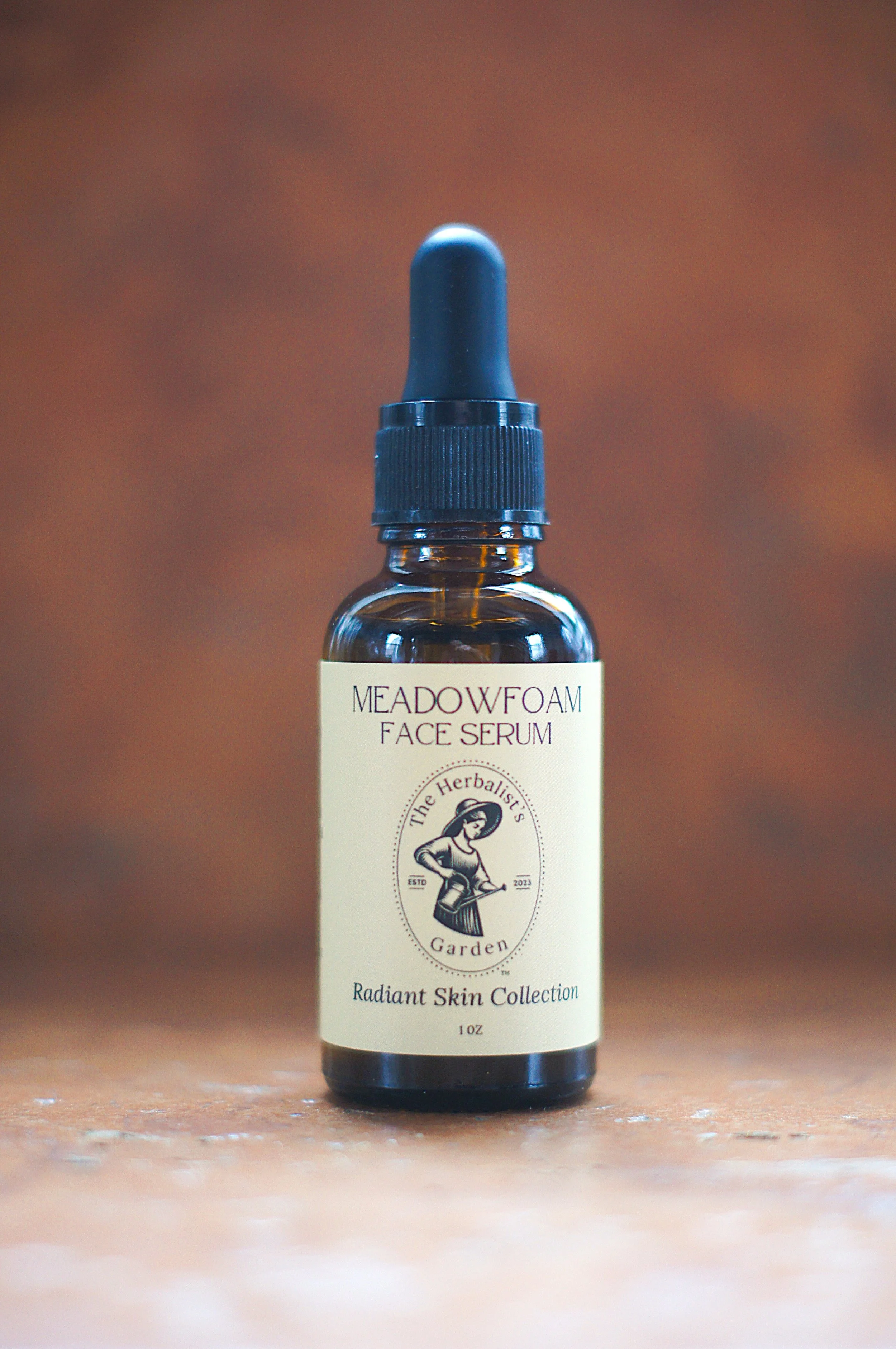
Our skin brightening serum diminishes dark spots and evens out skin tone for a more luminous complexion. Antioxidant rich, our hydrating blend fights free radicals and speeds cell turnover, targeting scars and hyperpigmentation. Powered by pure botanicals, our serum supports skin renewal for a more radiant complexion, naturally.
INGREDIENTS: Lemon balm infused meadowfoam seed oil, olive oil, and rosehip oil, helichrysum essential oil, frankincense essential oil, jasmine essential oil
Botanical Benefits:
Meadowfoam seed oil is derived from the U.S native wildflower which bares its name. This rising star in the cosmetic world is gaining popularity due to its ability to provide intense, non-greasy hydration by locking in moisture with a composition similar to human sebum. Non-comedogenic, it won’t clog pores but instead mimics your skin’s natural sebum to reduce signs of aging, smooths texture and boosts your skin’s natural glow immediately. This deeply moisturizing yet lightweight oil seals in hydration and protects against environmental stressors with high levels of antioxidants like Vitamin E.
Rosehip oil promotes radiant skin through a potent combination of Vitamin A & C, essential fatty acids, and antioxidants that deeply hydrate, accelerate cell turnover and fade hyperpigmentation. It boosts collagen production for firmer skin, reduces inflammation, and protects against environmental damage, resulting in a smoother, brighter, and more even toned complexion.
Lemon Balm brightens skin, reduces dullness, and promotes a radiant complexion due to its high antioxidant content, specifically rosmarinic and caffeic acids. It tightens, tones and fades dark spots while calming inflammation and fighting acne.
Helichrysum also known as Immortelle, is most known for promoting a youthful, radiant complexion through intense cell regeneration, collagen production and improved elasticity. It is a potent skin-brightening flower prized for reducing age spots, hyperpigmentation and blemishes due to its high diketone content.
Jasmine is treasured for not only it’s sensual scent, but its renowned ability to even skin tone, and reduce the appearance of fatigue by improving circulation, giving your complexion an instant healthy glow. A prized skincare ingredient for thousands of years, it is highly effective at reducing age spots, dark spots and hyperpigmentation due to its skin-lightening and cell-regenerating properties.
1 oz glass dropper bottle
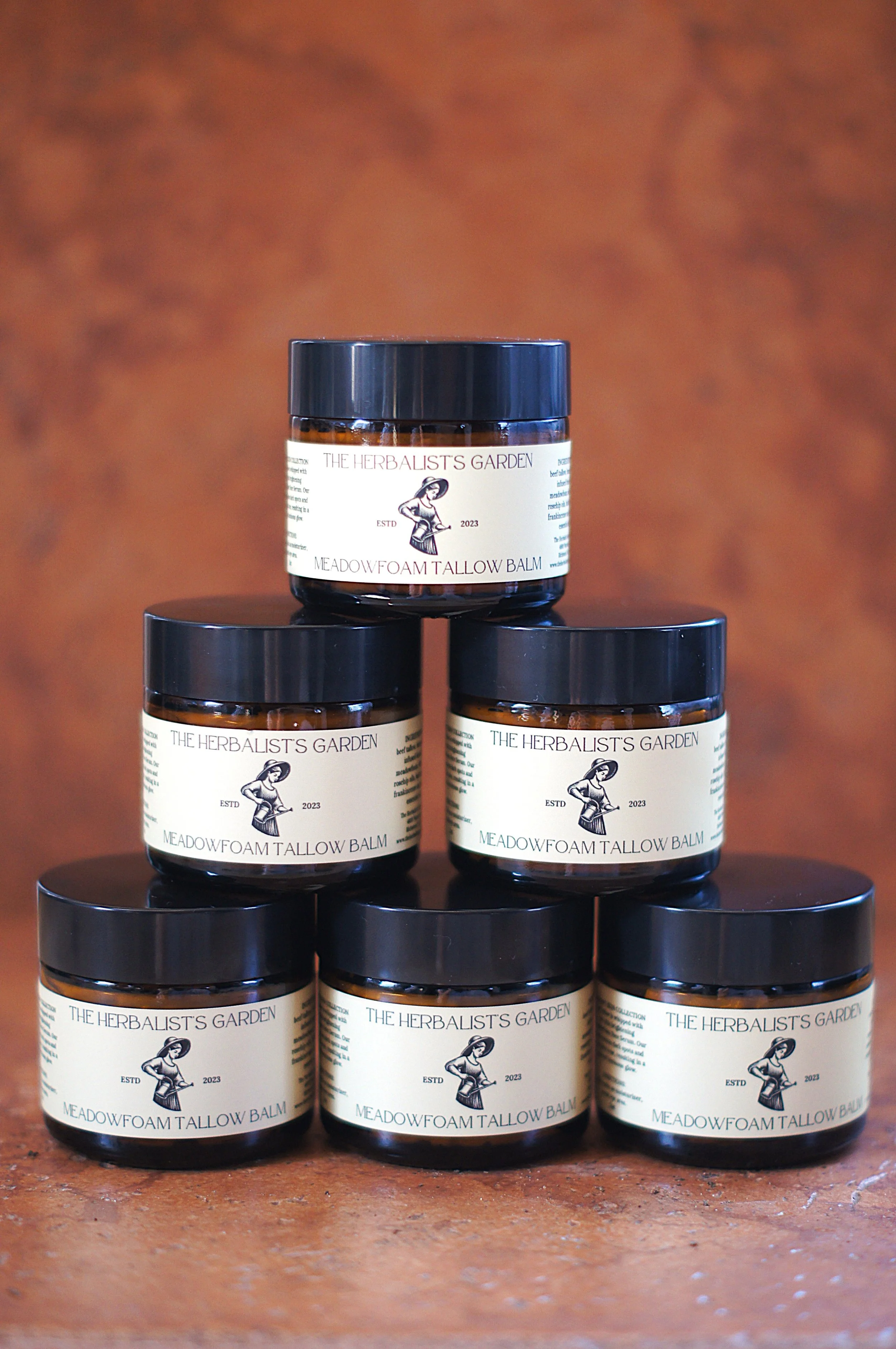
RADIANT SKIN COLLECTION
Beef tallow is whipped with our skin brightening Meadowfoam Face Serum. Our balm reduces dark spots and evens skin tone, resulting in a natural luminous glow.
Botanical Benefits:
Meadowfoam seed oil is derived from the U.S native wildflower which bares its name. This rising star in the cosmetic world is gaining popularity due to its ability to provide intense, non-greasy hydration by locking in moisture with a composition similar to human sebum. Non-comedogenic, it won’t clog pores but instead mimics your skin’s natural sebum to reduce signs of aging, smooths texture and boosts your skin’s natural glow immediately. This deeply moisturizing yet lightweight oil seals in hydration and protects against environmental stressors with high levels of antioxidants like Vitamin E.
Rosehip oil promotes radiant skin through a potent combination of Vitamin A & C, essential fatty acids, and antioxidants that deeply hydrate, accelerate cell turnover and fade hyperpigmentation. It boosts collagen production for firmer skin, reduces inflammation, and protects against environmental damage, resulting in a smoother, brighter, and more even toned complexion.
Lemon Balm brightens skin, reduces dullness, and promotes a radiant complexion due to its high antioxidant content, specifically rosmarinic and caffeic acids. It tightens, tones and fades dark spots while calming inflammation and fighting acne.
Helichrysum also known as Immortelle, is most known for promoting a youthful, radiant complexion through intense cell regeneration, collagen production and improved elasticity. It is a potent skin-brightening flower prized for reducing age spots, hyperpigmentation and blemishes due to its high diketone content.
Jasmine is treasured for not only it’s sensual scent, but its renowned ability to even skin tone, and reduce the appearance of fatigue by improving circulation, giving your complexion an instant healthy glow. A prized skincare ingredient for thousands of years, it is highly effective at reducing age spots, dark spots and hyperpigmentation due to its skin-lightening and cell-regenerating properties.
DIRECTIONS: Apply to skin as moisturizer, avoid eye area. 2oz glass jar
INGREDIENTS: beef tallow, lemon balm infused blend of meadowfoam, olive, and rosehip oils, helichrysum, frankincense and jasmine essential oils